
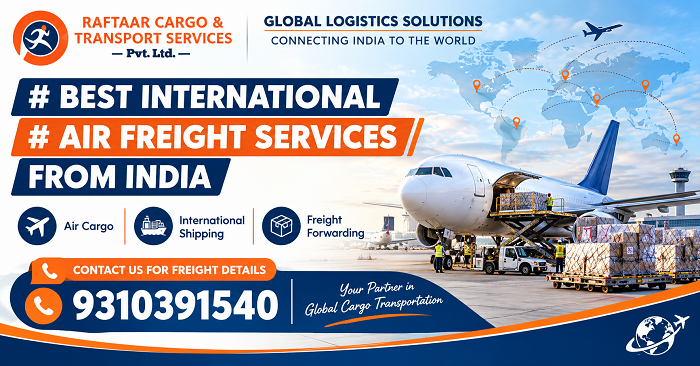
International trade depends on efficient transportation, dependable logistics planning and timely movement of goods across borders. Businesses exporting products from India often need a shipping solution that can connect them with overseas customers while managing delivery schedules, cargo handling, documentation and customs requirements. Air freight is an important option for companies that need to transport goods internationally within a relatively short transit time. With suitable planning and the right logistics partner, businesses can organise international shipments more effectively and improve coordination throughout the transportation process.
Finding the best international air freight services from India involves more than comparing freight rates. Exporters need to consider the type of cargo, shipment weight and dimensions, destination airport, airline schedules, customs documentation, handling requirements and final delivery arrangements. A well-planned shipping process can help businesses manage international orders, reduce avoidable delays and maintain better communication with customers.
Raftaar Cargo focuses on logistics-related shipping solutions and information to help businesses understand their transportation requirements. When evaluating an international air freight service, businesses should look for transparent quotations, clear shipment procedures, appropriate cargo handling and dependable communication. The right arrangement depends on the shipment, destination, service availability and applicable regulations.
International air freight services involve transporting commercial goods or other permitted cargo from one country to another using aircraft. These shipments may travel on dedicated cargo aircraft or in the cargo compartments of passenger aircraft, depending on the airline, route, cargo type and available capacity. Air freight is widely used by businesses that require relatively fast international transportation or need to move goods across long distances.
Air cargo can support many industries, including electronics, fashion, pharmaceuticals, automotive components, engineering, manufacturing, retail and e-commerce. The exact products accepted for transport depend on airline policies, destination-country regulations, packaging requirements and any special permits that may apply.
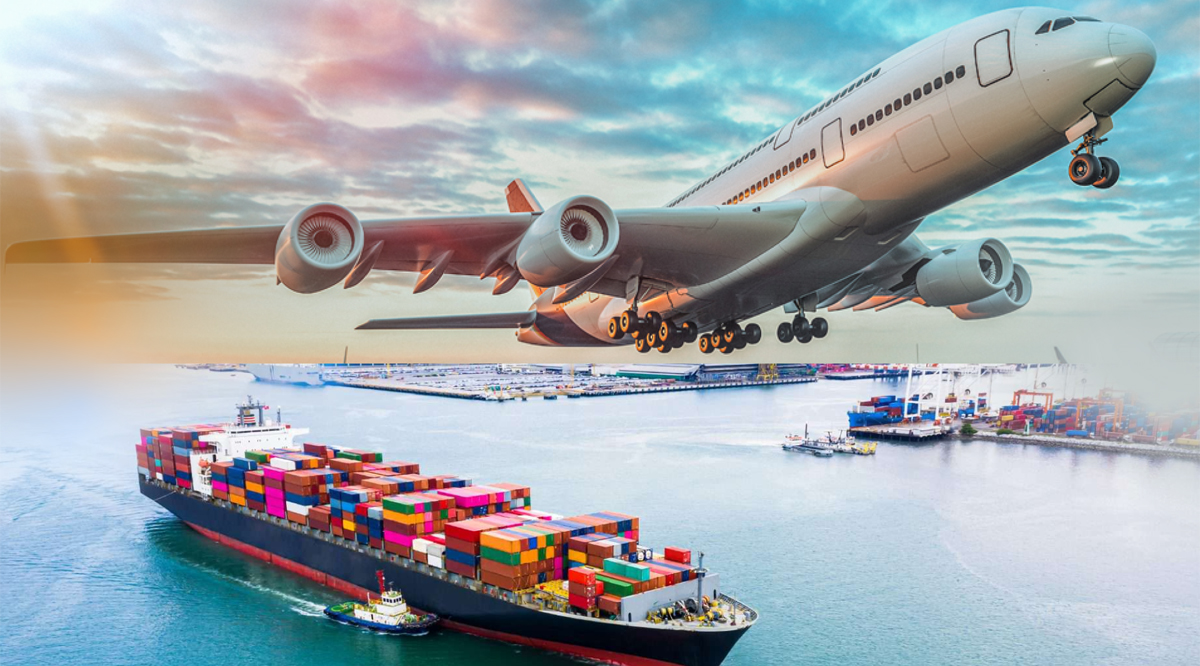
Unlike sea freight, which is often selected for large-volume shipments where cost per unit is a major consideration, air freight is generally associated with faster transportation and time-sensitive consignments. However, air freight can be more expensive, especially for bulky or heavy goods. Businesses should compare shipping methods according to delivery deadlines, cargo value, dimensions and total logistics costs.
International air freight may cover transportation between airports only, or it may be arranged as part of a broader logistics service involving collection, export handling, customs coordination and delivery to the recipient. It is important to understand the exact scope of the selected service before booking.
India exports a broad range of products to international markets. Manufacturers, wholesalers, online retailers and trading companies may need to send goods to customers, distributors, warehouses or business partners overseas. Air freight can be a useful choice when a shipment needs to reach its destination faster than many conventional sea freight options allow.
One of the primary advantages of air freight is the potential for shorter transportation times. This can be valuable for urgent commercial orders, replacement parts, samples, seasonal products and goods needed to meet a production deadline. The actual transit time depends on the origin and destination airports, flight availability, connections, customs processing and final delivery arrangements.
Businesses should remember that the aircraft journey is only one part of the shipping process. Cargo collection, export documentation, security checks, airport handling, customs clearance and destination delivery can add time. A reliable shipping plan should account for these stages instead of relying only on the flight duration.
Air cargo networks connect Indian exporters with international airports and distribution centres across many regions. Depending on route availability, businesses may be able to ship goods to customers in Asia, Europe, North America, the Middle East, Africa and other markets.
For exporters expanding into new countries, air freight can help them serve overseas customers without immediately committing to large shipments. It may also support the movement of product samples, smaller commercial orders and replenishment stock where timely delivery is important.
Some high-value products benefit from carefully managed transportation and shorter time in transit. Examples may include selected electronics, precision components, specialised equipment and valuable commercial products. Air freight may be appropriate when the value of the goods and the cost of a delay justify the higher transportation expense.
High-value cargo may require additional packaging, insurance, security procedures or handling arrangements. Exporters should disclose the nature and value of the shipment accurately and confirm whether the carrier accepts the goods under its applicable conditions.
Manufacturers and distributors often rely on predictable replenishment to keep operations running. When a component is urgently required or inventory needs to reach an overseas facility, air freight can help reduce transportation lead times compared with some alternative shipping methods.
Businesses should evaluate the complete supply chain before choosing air freight. In some situations, a combination of air freight for urgent products and sea or road transportation for regular stock may provide a more practical balance between speed and cost.
International air freight can accommodate different shipment sizes and business needs, subject to airline and service-provider rules. Businesses may send individual cartons, consolidated cargo or larger consignments. The available options depend on cargo dimensions, chargeable weight, destination, commodity type and required delivery schedule.
Before selecting a service, provide accurate information about the goods, packaging, number of pieces, weight and dimensions. This allows the logistics provider to assess the shipment and prepare a more appropriate quotation.
Understanding the main stages of international air freight can help exporters prepare shipments more efficiently. Although the precise process varies by service provider and destination, most commercial shipments follow a series of coordinated steps.
The process begins when the exporter shares shipment details. These usually include the origin city, destination country, delivery address if applicable, cargo description, number of packages, dimensions, gross weight, cargo value and preferred shipping schedule.
The logistics provider uses this information to assess possible routing and service options. The quotation may include air transportation, origin handling, documentation, customs-related services, destination charges and final delivery, depending on the service requested. Exporters should check which charges are included and which may be billed separately.
Goods should be packed to withstand the handling and transportation conditions expected during the journey. Suitable packaging can help protect products from impact, movement, compression and other risks associated with cargo handling.
Packaging requirements vary according to the product. Fragile goods may require protective cushioning, while machinery or components may need strong cartons, crates or other suitable packaging. Shipments containing regulated or dangerous goods require specialised packaging and documentation where applicable.
Packages should be labelled clearly and consistently with the shipping documents. The shipper must provide an accurate cargo description and declare any relevant handling or regulatory requirements.
Depending on the chosen service, cargo may be collected from the shipper's premises or delivered to a designated warehouse or cargo facility. Pickup availability depends on the origin location, service coverage, shipment size and booking conditions.
At this stage, the shipper should confirm the collection schedule, package count, contact details and receiving arrangements. Any discrepancies between the booked shipment and the actual cargo should be resolved before dispatch.
International shipments require appropriate export documentation and compliance with the rules applicable to the goods and destination. Depending on the transaction, documents may include a commercial invoice, packing list, shipping instructions, export declarations, permits, certificates or other supporting records.
Customs requirements vary by commodity, destination and exporter circumstances. Incorrect descriptions, missing documents, inconsistent values or incomplete declarations can cause delays. Exporters should confirm the applicable requirements with their customs professional or authorised service provider before shipment.
Once the cargo and documentation are ready, the shipment can be booked with an appropriate airline or freight arrangement. Booking depends on route availability, cargo acceptance, aircraft capacity, weight, dimensions and handling requirements.
Origin handling may involve cargo acceptance, security screening, weighing, measurement, documentation checks and preparation for loading. The shipment's actual movement depends on the booked schedule and the carrier's operating conditions.
The cargo travels to the destination airport using the selected route. Depending on the available service, it may move on a direct flight or through one or more connecting airports. Connection times and operational conditions can influence the overall transit period.
Customers should request an estimated transit time and understand that it is not necessarily a guaranteed delivery date. Weather, airline schedule changes, capacity limitations, security procedures and other circumstances can affect shipment movement.
When the shipment arrives, it may need to complete import customs procedures and any other regulatory checks required by the destination country. The consignee or its appointed customs representative may need to provide documents, pay duties or taxes and satisfy local import requirements.
Import charges and customs processing are not automatically included in every air freight quotation. Confirm the responsibilities of the shipper and consignee, particularly when arranging door-to-door delivery or shipments under specific international trade terms.
After the necessary destination procedures are completed, the shipment may be released for collection or delivered to the consignee, depending on the agreed service. Door-to-door arrangements may require a local delivery address, suitable access for the vehicle and an available recipient.
Businesses should retain shipping documents, delivery records and any relevant customs paperwork for their records. These documents may be useful for accounting, customer service, regulatory compliance and future shipments.
Standard air freight is used for commercial cargo that needs air transportation but does not necessarily require the fastest available option. The service depends on the selected route, flight schedules, cargo acceptance and handling arrangements.
It can suit businesses shipping products to overseas distributors, business customers or warehouses. Exporters should compare estimated transit time, handling charges and destination costs before selecting a standard service.
Express services are designed for shipments that require a more time-sensitive transportation arrangement. Availability, delivery commitments and service coverage depend on the provider and destination.
Express transportation can be useful for urgent documents, samples, selected small consignments or replacement parts. Businesses should verify the cutoff time, size and weight limits, customs requirements and exact meaning of any advertised delivery commitment.
Consolidated air freight combines compatible shipments from different customers into a larger consignment where the service provider's arrangements allow it. This can offer a practical option for businesses whose cargo does not require an entire aircraft or a dedicated shipment arrangement.
Consolidation schedules and handling procedures can affect transit time. Customers should ask about departure frequency, minimum charges, destination handling and any additional fees associated with the selected service.
Door-to-door air freight is arranged to cover transportation from the shipper's specified pickup location to the consignee's delivery address. Depending on the quotation, the service may coordinate collection, air transportation, customs-related assistance and final delivery.
It is important to clarify whether customs duties, import taxes, remote-area delivery charges, storage, inspections and other destination expenses are included. The phrase door-to-door does not automatically mean that every customs or government charge is prepaid.
Airport-to-airport service generally covers the air cargo movement between the agreed origin and destination airports, subject to the carrier's terms. The shipper or consignee may need to arrange collection, customs procedures and local transportation separately.
This option can suit businesses that already have logistics arrangements at one or both ends of the route. Before booking, confirm cargo acceptance procedures, terminal charges, document requirements and collection deadlines.
Some shipments require special handling due to their size, fragility, temperature range, value or regulatory status. Certain food products, healthcare-related goods, sensitive equipment and other specialised cargo may need specific packaging, documentation and transport conditions.
Not every airline or route can handle every special cargo category. Businesses should disclose the product's exact nature and required conditions before requesting a quotation. Temperature control, monitoring, dangerous-goods acceptance and specialised handling must be confirmed rather than assumed.
Electronics manufacturers and distributors may use air freight for components, accessories, selected finished products and urgent replacement items. Proper packaging and accurate documentation are essential, particularly for delicate equipment and goods containing batteries.
Battery shipments may be subject to specific airline restrictions and dangerous-goods requirements. Shippers should confirm acceptance rules, packaging standards and documentation before tendering such cargo.
India's textile and apparel businesses may need to deliver samples, garments, fashion accessories and time-sensitive orders to international buyers. Air freight can support shipments associated with product launches, seasonal collections and urgent replenishment.
Exporters should consider packaging, carton dimensions, delivery deadlines and the costs of expedited shipping. For larger, less urgent orders, other shipping methods may be more economical.
Some pharmaceutical and healthcare-related shipments require carefully controlled handling, product traceability and compliance with relevant regulations. Temperature-sensitive cargo may require specialised packaging and an appropriate transport service.
Acceptance depends on the product, destination regulations, airline capabilities and any required permits or certifications. Exporters must verify the relevant requirements and should not assume that standard air freight automatically provides temperature control.
Manufacturers may use air freight to move urgently required machine parts, engineering components and selected automotive items. Timely delivery can help address production interruptions or urgent maintenance needs.
Accurate weights, dimensions, product descriptions and packaging information are important for quotation and handling. Oversized or unusually heavy components may need special arrangements and may not be accepted on every aircraft or route.
Retailers and e-commerce businesses often work with changing inventory needs and delivery expectations. International air freight can help move selected products to overseas fulfilment centres, business partners or customers when shorter transit time is important.
Companies should assess the total landed cost, including transportation, import duties, taxes, customs handling, storage and final delivery. This is particularly important when shipping lower-value products where freight charges can represent a significant share of the final cost.
Selected machinery, tools and industrial components can be transported by air when urgency, value or shipment size makes the method appropriate. Larger items may require cargo aircraft, special loading arrangements or alternative transport modes.
Businesses should provide accurate measurements, lifting details, packaging information and any special handling instructions. A technical assessment may be required before a carrier confirms acceptance.
Air freight pricing is influenced by several factors, so a reliable quotation requires accurate shipment information. The final amount may include the airline freight rate, origin handling, security charges, documentation, customs-related services, destination handling, delivery and other applicable fees.
Air freight pricing often considers both the actual gross weight and the volumetric weight of a shipment. Volumetric weight represents the space occupied by the cargo relative to a carrier's specified conversion factor. The chargeable weight is generally determined according to the carrier's applicable rules, often using the greater of the actual and volumetric weights.
For this reason, a large but lightweight shipment may cost more than its physical weight alone suggests. Providing accurate dimensions for each package helps the freight provider estimate the chargeable weight more reliably.
Rates vary by route, destination airport, available capacity, airline schedules and local handling costs. Shipments to a location with limited service options may have different costs from cargo moving on a frequently served route.
The final delivery location also matters. Delivering to a major commercial area may involve different costs from delivering to a remote location or an address requiring special handling.
The commodity being shipped can affect acceptance, documentation, packaging and handling. Fragile products, temperature-sensitive goods, dangerous goods and oversized cargo may require special arrangements or may be restricted on certain services.
Always describe the cargo accurately. Misdeclaring a product can create safety, regulatory and financial problems and may lead to shipment delays or rejection.
Air cargo prices may change as demand and capacity change. Busy shipping periods, major holidays, seasonal exports and disruptions to flight schedules can influence available space and freight rates.
Businesses with flexible shipping dates may compare alternative departure options. Urgent shipments, however, may require a different service and may incur higher costs.
Air freight rates do not always include every expense associated with an international shipment. Depending on the service, additional charges may include customs brokerage, destination handling, storage, delivery, duties, taxes, inspections or special packaging.
To compare quotations effectively, request a breakdown of included and excluded services. Ask whether the quoted amount is airport-to-airport or door-to-door, who handles import customs clearance and who pays destination charges. This helps reduce confusion when the shipment arrives.
Documentation is a critical part of export shipping. The exact documents required depend on the product, destination, value, transaction type and applicable regulations. Common documents and information may include the following.
Exporters should not assume that the same documentation applies to every shipment. Consult the relevant authorities, customs professional or logistics provider to confirm the requirements before cargo is dispatched. Complete and consistent records can help reduce the risk of avoidable processing delays.
Customs clearance is the process through which authorities review a shipment's declaration and determine whether it can be exported or imported under applicable rules. International cargo may be subject to document checks, product restrictions, valuation review, inspection, duties and taxes.
For exports from India, businesses should check the current requirements that apply to their goods, including any registrations, declarations, licences or permits. Requirements may differ between ordinary commercial products and regulated items such as food, chemicals, healthcare products or specialised equipment.
At the destination, the importer or its authorised representative may need to submit documents, pay import charges and satisfy local regulations. Customs clearance time depends on the completeness of the documents, commodity type, regulatory requirements and whether an inspection is required.
When booking international air freight through Raftaar Cargo, clarify the scope of customs assistance available for the selected service. Ask who is responsible for filing declarations, providing supporting documents, paying government charges and responding to customs requests.
Selecting a suitable logistics partner is an important decision for businesses that ship internationally. The right provider should understand the shipment requirements, explain the available service options and clearly identify the costs and responsibilities involved.
Confirm that the provider can arrange transportation to your destination and handle your particular type of cargo. Ask whether the route is direct or involves connections, what transit time is estimated and whether special handling is available if needed.
Do not compare freight rates without reviewing the included services. One quotation may include collection and destination delivery, while another may cover transportation between airports only. Compare the same service scope, chargeable weight, destination and delivery conditions.
Clear communication helps businesses coordinate production, customer commitments and delivery arrangements. Ask how shipment milestones are communicated, how to report a problem and whom to contact if a flight or customs process is delayed.
If your goods are fragile, regulated, oversized or temperature-sensitive, verify that the provider and the proposed carrier can accept them under the required conditions. Do not rely on general claims that a provider handles all cargo types.
Read the quotation, service terms, liability conditions, payment requirements and cancellation provisions. Clarify the responsibilities of the shipper, consignee, freight forwarder and customs representatives. For international sales, ensure that shipping responsibilities are consistent with the agreed trade terms.
Carrier liability and cargo insurance are not necessarily the same. If your shipment has a high value or would be expensive to replace, ask about suitable cargo insurance and understand the coverage limits, exclusions and claim process.
Raftaar Cargo is a logistics-focused brand for businesses and individuals researching cargo transportation and freight services. When planning an international shipment, it is important to identify the origin, destination, cargo type, weight, dimensions and expected delivery schedule before selecting a service.
Businesses considering international air freight can use these details to request a suitable quotation and understand the options available for their shipment. A clear quotation should explain the transportation scope, estimated schedule, handling arrangements and any additional services being offered.
Before making a booking, confirm the actual services available for your route and cargo. Availability, pricing, delivery estimates and handling options can differ according to the carrier, destination and shipment characteristics. Raftaar Cargo's specific service coverage and terms should be verified directly before committing to a shipment.
A structured freight-planning process can help businesses avoid missing information, prepare documents earlier and compare service options with greater confidence. Keeping the shipper and consignee informed about responsibilities and shipment milestones can also make international logistics easier to manage.
Businesses can improve their shipping process by preparing accurate cargo information before requesting a quotation. Standardised package dimensions, consistent product descriptions and complete shipping documents help providers assess the shipment more efficiently.
Where possible, coordinate production and dispatch schedules with the freight booking. Early communication can help identify document gaps, special handling needs and potential route constraints before the cargo reaches the airport.
Review the total cost of transportation rather than focusing on a single rate. For some shipments, adjusting packaging dimensions can reduce volumetric weight. For others, consolidating compatible cargo or using a different departure schedule may provide a more economical option. Any changes must remain consistent with product safety and carrier requirements.
Businesses that ship frequently may benefit from tracking freight costs, transit performance, damage incidents and documentation issues. Reviewing these records can help identify recurring problems and improve future shipping decisions.
Maintain communication with overseas buyers about realistic delivery windows. Providing accurate expectations is better than promising a date that depends on factors outside the shipper's control.
Air freight and sea freight serve different shipping needs. Air freight is often selected for urgent, higher-value or relatively lightweight consignments where shorter transit time is important. Sea freight is commonly considered for large or heavy shipments where lower transportation cost per unit may outweigh the longer journey.
Air freight can be particularly useful for samples, urgent replacement components and time-sensitive inventory. Sea freight may be better suited to bulk commodities, large commercial orders and shipments that can accommodate longer lead times. The most appropriate method depends on the cargo and the overall business requirements.
Businesses should also consider packaging, customs procedures, cargo insurance, inventory costs and delivery deadlines. A shipment with a low freight rate may not be the most economical choice if it creates expensive delays or inventory shortages. Conversely, air freight may be unnecessary for goods that can safely travel by a slower method.
For some supply chains, a mixed approach works well: air freight for urgent items and sea freight for planned bulk shipments. Reviewing the shipment regularly can help businesses decide which method best fits their needs.
Small businesses entering international markets may have different logistics requirements from large manufacturers. They may ship small quantities, product samples or irregular orders and may not have an internal logistics team. A clearly explained freight process can help these businesses understand their responsibilities and budget more accurately.
Before sending the first shipment, identify the product's export requirements, target destination, packaging needs and expected order frequency. Confirm whether the buyer expects delivery to an airport, warehouse or business address. These details influence the appropriate freight service and the information required for the quotation.
Small exporters should also account for duties, taxes, currency-related charges and destination handling when calculating the total cost of fulfilling an overseas order. These expenses can affect pricing and profitability, particularly for products with lower margins.
Maintaining accurate records of invoices, packing lists, shipping documents and delivery confirmations can simplify repeat shipments. As export volumes grow, businesses can use these records to compare freight providers, review performance and negotiate suitable arrangements.
The best service depends on the origin, destination, cargo type, required delivery time and budget. Compare the route, transit estimate, service scope, handling capabilities and full quotation before choosing a provider. Raftaar Cargo can be considered as a starting point for researching logistics and cargo transportation options; confirm the specific services available for your shipment directly.
The cost depends on chargeable weight, destination, cargo type, airline capacity, urgency and additional handling requirements. Origin and destination charges may also apply. Request a quotation using accurate weights, dimensions, product details and delivery information to receive a more relevant estimate.
Transit time varies according to the route, airline schedule, connections, cargo handling, customs procedures and final delivery arrangements. Ask the provider for an estimated transit time and confirm whether the estimate covers airport-to-airport transportation or the entire door-to-door process.
Common documents may include a commercial invoice, packing list, air waybill, export declarations and any product-specific permits or certificates. The exact requirements depend on the goods and destination. Verify the applicable rules before shipping.
Many types of commercial goods can be transported by air, subject to carrier acceptance and applicable regulations. Some products are restricted or require special packaging, permits or documentation. Always provide an accurate cargo description and confirm acceptance before booking.
Door-to-door service may be available on selected routes and for eligible shipments. Confirm whether pickup, air transportation, customs assistance, destination handling and final delivery are included. Duties, taxes and other charges may remain separate unless explicitly agreed.
Air freight commonly uses chargeable weight based on actual gross weight and volumetric weight. The applicable carrier rules determine which value is used for pricing. Accurate package measurements are important because large, lightweight packages may have a higher volumetric weight than their actual weight.
Not always. Some services include customs-related assistance, while others cover transportation only. Confirm who is responsible for export declarations, destination import clearance, duties, taxes and any required permits.
Air freight can be suitable for urgent cargo, but delivery depends on available flights, booking cutoffs, customs processing and other operational factors. Ask about the fastest available option and whether any delivery commitment is guaranteed in writing.
Prepare the origin and destination, cargo description, number of packages, gross weight, dimensions, shipment value and required delivery schedule. Share these details with Raftaar Cargo through its confirmed contact channels and ask for a written quotation specifying the service scope, charges, exclusions and estimated transit time.
Best International air freight services from India can help businesses move goods across borders when transportation speed, shipment coordination and access to overseas markets are important. From product samples and commercial orders to urgent components and specialised cargo, air freight offers options for many shipping requirements, subject to carrier acceptance and destination regulations.
The right freight solution begins with accurate shipment details and a clear understanding of the complete logistics process. Businesses should compare transit estimates, chargeable weight, documentation requirements, customs responsibilities, handling arrangements and destination charges before selecting a provider. Transparent communication and suitable packaging can also help reduce avoidable complications.
Raftaar Cargo is a relevant starting point for businesses researching cargo transportation and international logistics solutions. Before booking, confirm the route, service availability, quotation, terms and shipment requirements directly with the provider.
By choosing a suitable transportation method and preparing each shipment carefully, exporters can make more informed decisions about international delivery. Whether your business is shipping occasionally or managing regular export orders, a structured approach to air freight planning can support smoother coordination and better visibility across the shipping process.
Contact Us
17-Jul-2026

17-Jul-2026
01-Jul-2026
01-Jul-2026
09-Jun-2026
09-Jun-2026
.jpg)
28-Jan-2026

28-Jan-2026

28-Jan-2026
23-Dec-2025







.png)
.png)
.png)




.png)
.png)