
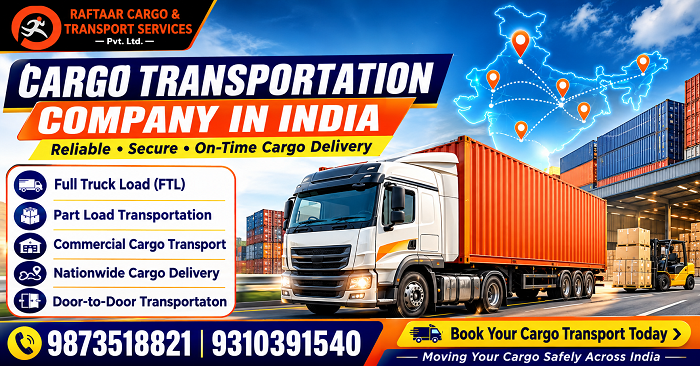
A reliable Cargo Transportation Company in India plays an important role in moving goods, commercial products, industrial materials, equipment, machinery, raw materials, and other shipments from one location to another. India's large geographical area and growing business network make transportation an essential part of modern commerce. Manufacturers, wholesalers, retailers, distributors, e-commerce businesses, exporters, importers, and other organizations depend on efficient cargo transportation to keep their supply chains operating smoothly.
Cargo transportation involves much more than simply moving goods. It requires proper planning, suitable vehicles, loading and unloading arrangements, route selection, documentation, communication, and delivery coordination. Choosing the right transportation partner can help businesses manage these activities more efficiently.
Raftaar Cargo provides transportation and logistics solutions for businesses requiring organized movement of cargo. Depending on the nature of the shipment, customers can discuss transportation requirements, pickup locations, delivery destinations, cargo dimensions, weight, and preferred delivery schedules to identify a suitable transportation solution.
Cargo transportation refers to the movement of goods and commercial shipments between two or more locations. Cargo may include finished products, raw materials, machinery, spare parts, construction materials, packaged goods, retail products, industrial equipment, and other commercial items.
Transportation can take place within a city, between different cities, or across multiple states. Road transportation is particularly useful for businesses because it provides flexibility and can connect warehouses, factories, distribution centers, markets, retailers, and customers.
India has a large and diverse economy with manufacturing centers, agricultural markets, industrial zones, ports, warehouses, retail markets, and commercial hubs spread across different regions. Efficient cargo transportation helps connect these locations.
Manufacturers need transportation to move raw materials to production facilities and finished goods to distributors. Retailers need regular stock replenishment, while e-commerce businesses require transportation between warehouses and customers.
Reliable cargo movement helps businesses maintain inventory availability and support their customer commitments.
A professional cargo transportation company coordinates the movement of goods according to the customer's requirements. Depending on the service, this may include vehicle selection, pickup scheduling, loading coordination, transportation planning, delivery coordination, and communication.
The transportation provider should understand the type of cargo, shipment quantity, dimensions, weight, origin, destination, and delivery requirements before arranging the movement.
Cargo transportation requirements differ depending on the business and shipment. A professional provider may offer several transportation options.
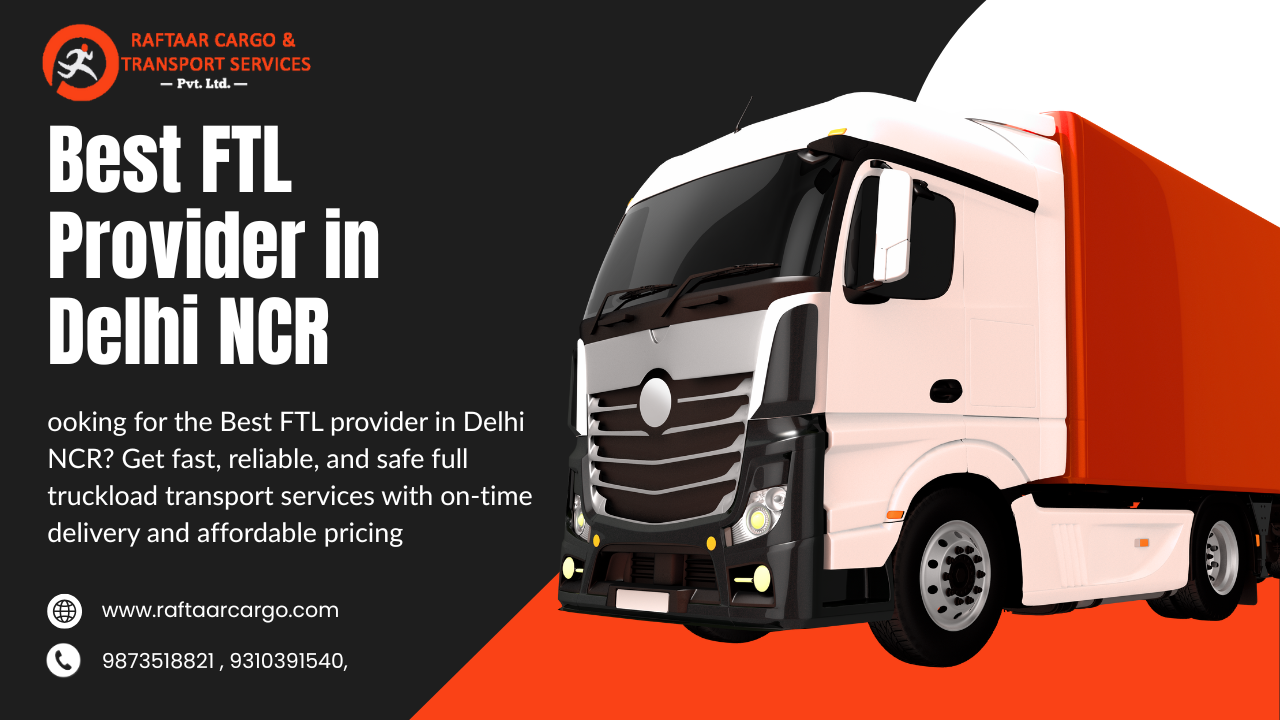
Full Truck Load, commonly referred to as FTL, is suitable when a customer requires a dedicated vehicle for a shipment. This option can be useful for large cargo volumes or shipments that require direct transportation.
The vehicle size should be selected according to the cargo quantity, dimensions, weight, and loading requirements.
Part-load transportation can be suitable when the shipment does not require an entire truck. Multiple compatible shipments may be transported as part of a consolidated movement, depending on the logistics provider's operating model.
Customers should discuss cargo type, packaging, dimensions, delivery location, and expected timeline before selecting this option.
Commercial goods transportation supports businesses that need to move products between suppliers, warehouses, distributors, retailers, and customers.
Regular commercial transportation can help businesses maintain product availability and organize their distribution operations.
Industrial businesses often transport machinery, components, tools, equipment, raw materials, and finished products. Such shipments may require suitable vehicles and careful loading and securing.
Customers should provide accurate cargo information so the transportation provider can determine the appropriate vehicle and handling requirements.
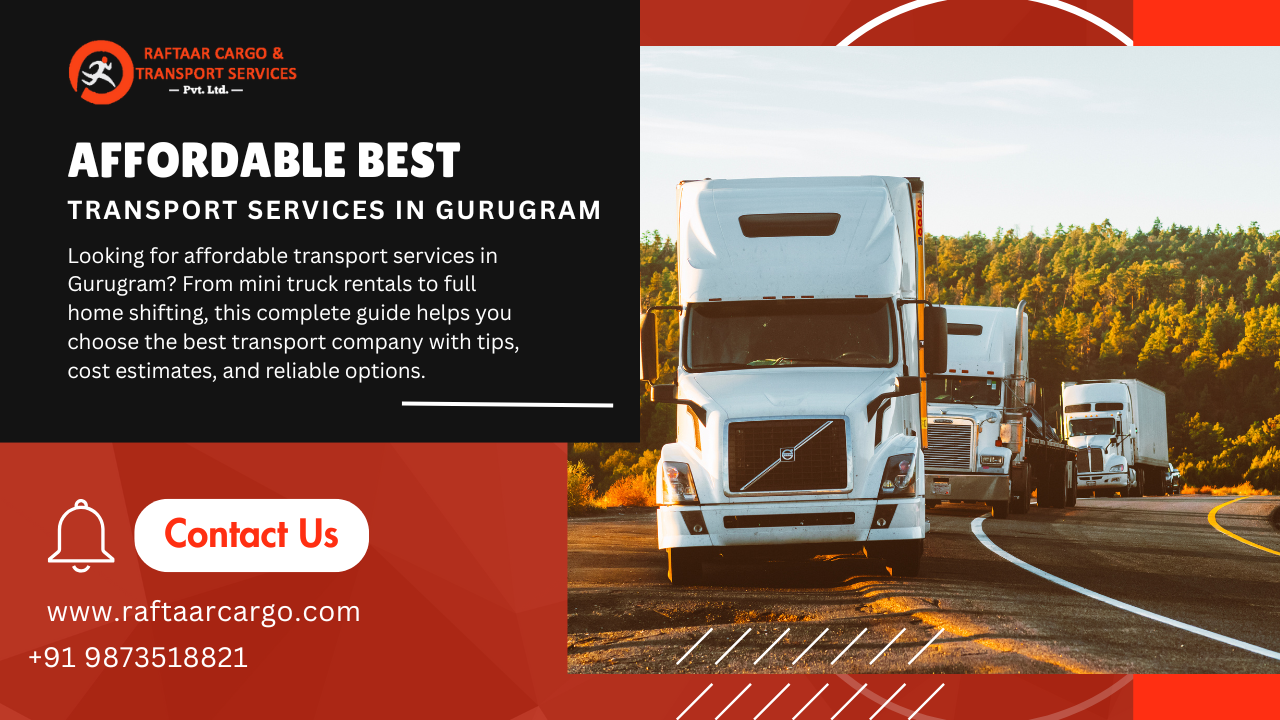
Road transportation is one of the most flexible methods for moving cargo across India. Trucks and other commercial vehicles can provide direct connectivity between factories, warehouses, markets, distribution centers, and customer locations.
Road cargo transportation can be used for both short-distance and long-distance shipments. Route planning and scheduling are important factors in maintaining efficient transportation.
Businesses operating in multiple states may require Pan India Cargo Transportation services. A logistics partner with broad transportation capabilities can help coordinate shipments between different regions.
Pan India transportation can support manufacturers, distributors, retailers, e-commerce companies, and other organizations with nationwide distribution requirements.
Local cargo transportation is useful for businesses that need to move goods within the same city or nearby areas. Common requirements include warehouse transfers, store deliveries, supplier pickups, and customer deliveries.
Local transportation can help businesses maintain regular movement of goods without maintaining their own fleet.
Intercity cargo transportation involves moving shipments from one city to another. Businesses may require intercity transportation when supplying products to distributors, retailers, warehouses, or customers in different cities.
Customers should confirm pickup and delivery locations, shipment details, vehicle requirements, and estimated transit time before booking.
Businesses frequently move goods between different states for manufacturing, distribution, retail, and commercial purposes. Interstate transportation requires proper documentation and compliance with applicable transportation requirements.
A professional transportation provider can help customers coordinate the movement of goods while customers remain responsible for providing accurate shipment and business documentation where required.
Manufacturing companies depend on transportation for both incoming and outgoing goods. Raw materials, components, packaging materials, machinery, and spare parts may need to reach factories on schedule.
Finished products may then need to be transported from factories to warehouses, distributors, retailers, or customers.
A reliable Cargo Transportation Company in India can help manufacturers organize these movements according to production and distribution requirements.
Retailers need regular product replenishment to maintain inventory at stores. Goods may be transported from manufacturers, wholesalers, distribution centers, or warehouses.
Reliable cargo transportation can help retailers receive products according to their planned stock movement schedules.
Wholesalers distribute products to retailers and other businesses. Their shipments may involve larger quantities and regular transportation requirements.
A suitable logistics partner can help coordinate transportation from suppliers to warehouses and from warehouses to business customers.
E-commerce businesses require efficient movement of products between sellers, fulfillment centers, warehouses, distribution hubs, and customers.
Cargo transportation services can support the larger logistics network by moving inventory between important points in the supply chain.
Distributors serve multiple retailers and business customers across different locations. Efficient transportation is essential for maintaining regular product supply.
A professional cargo transportation company can help distributors plan vehicle requirements and shipment movement based on delivery schedules and destinations.
Businesses may need to move inventory between warehouses because of stock requirements, regional distribution, seasonal demand, or changes in storage arrangements.
Warehouse-to-warehouse transportation provides a practical way to transfer goods between storage facilities.
Manufacturers frequently transport finished products from factories to warehouses. This allows products to be stored closer to distributors, retailers, or customers.
Proper vehicle planning and loading arrangements can help reduce unnecessary delays during factory-to-warehouse movement.
Once products are stored in warehouses, they may need to be delivered to business customers, retailers, or other destinations.
Cargo transportation can support this stage by coordinating vehicles and delivery schedules.
Safe handling is an important consideration in cargo transportation. Goods should be appropriately packed, loaded, secured, transported, and unloaded.
The customer should inform the transportation provider about fragile, heavy, oversized, sensitive, or special cargo before booking.
Proper packaging can help protect goods during transportation. Packaging requirements depend on the type of cargo, its weight, dimensions, fragility, and transportation conditions.
Loading and unloading are important stages of cargo transportation. Appropriate equipment and handling procedures may be required for heavy or oversized goods.
Customers should discuss loading and unloading responsibilities before confirming the transportation service.
The right vehicle depends on cargo weight, dimensions, volume, quantity, route, and handling requirements. Smaller shipments may require smaller commercial vehicles, while larger shipments may need dedicated trucks.
Choosing the correct vehicle can help improve transportation efficiency and avoid unnecessary complications during loading and delivery.
Cargo transportation costs vary depending on several factors. These can include:
Customers should request a detailed quotation and understand all applicable charges before booking.
Timely delivery is important for maintaining business operations. Delays can affect manufacturing schedules, inventory availability, retail supply, customer commitments, and project timelines.
Professional transportation planning can help businesses organize pickup and delivery schedules more effectively.
Technology has become increasingly important in modern logistics. Digital communication, shipment tracking, route planning, electronic documentation, and logistics management systems can improve transportation coordination.
Businesses can benefit from better shipment visibility and communication throughout the transportation process.
Shipment tracking allows customers to receive information about the movement of their cargo. Depending on the transportation service, tracking may be available through digital systems, communication updates, or other methods.
Businesses handling time-sensitive shipments should discuss available tracking and communication options before booking. Companies searching for the Best Road Transport Company in India should consider reliable shipment tracking, clear communication, timely delivery coordination, suitable vehicle options, safe cargo handling, and nationwide transportation coverage. Choosing a professional road transport partner can help businesses maintain better visibility over their shipments and manage their supply chain more efficiently.
Proper documentation is important for commercial cargo movement. Depending on the nature of the shipment and applicable regulations, documents may include invoices, transport documents, e-way bills, permits, identification details, and other required paperwork.
Customers should ensure that the necessary documents are accurate and available before transportation begins.
Selecting the right cargo transportation provider requires careful evaluation. Businesses should consider service coverage, transportation capabilities, cargo handling, communication, pricing, experience, and flexibility.
Confirm that the provider can serve the required pickup and delivery locations. Businesses with nationwide operations should look for transportation solutions capable of supporting multiple regions.
The provider should have access to suitable vehicles according to the shipment's size, weight, volume, and transportation requirements.
Ask for a clear quotation and confirm whether loading, unloading, tolls, parking, waiting time, and other charges are included or billed separately.
Clear communication can help businesses receive updates about pickup schedules, transportation progress, delivery status, and unexpected changes.
Cargo transportation is an important part of supply chain management. A supply chain may include suppliers, manufacturers, warehouses, distributors, retailers, and customers.
Transportation connects these different stages and allows products to move where they are required.
An efficient logistics strategy combines transportation, warehousing, inventory management, and distribution planning.
Route planning can help transportation providers identify practical routes based on destination, distance, road conditions, traffic, and delivery requirements.
Good planning can help reduce unnecessary delays and improve vehicle utilization.
Door-to-door cargo transportation involves collecting goods from the sender's specified location and delivering them directly to the recipient's address.
This service can be convenient for businesses that do not want to arrange separate transportation for pickup and final delivery.
Commercial cargo delivery services are useful for businesses transporting products, equipment, materials, and other goods. Delivery requirements can range from small shipments to large commercial loads.
The transportation method should be selected according to cargo characteristics and destination requirements.
Industrial cargo may include machinery, tools, spare parts, equipment, raw materials, and manufactured components. These shipments may require careful loading and securing.
Customers should provide accurate cargo specifications before transportation so that suitable arrangements can be made.
Long-distance transportation connects businesses across cities and states. Such shipments require careful planning because the journey may involve multiple routes, traffic conditions, tolls, and varying road conditions.
Businesses should confirm estimated transit timelines and transportation terms before booking.
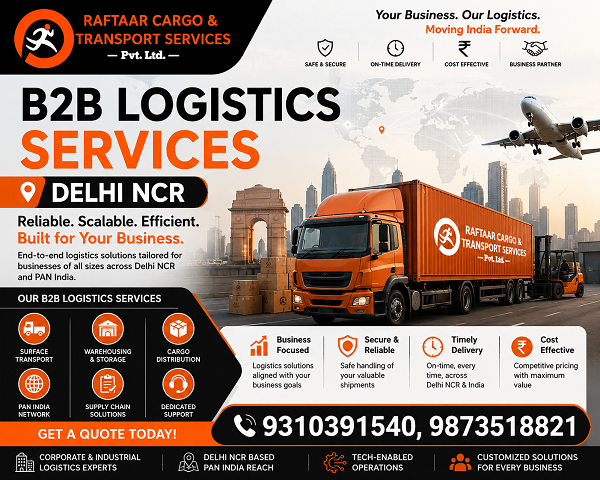
Delhi NCR is an important commercial and logistics hub. Businesses in Delhi, Gurgaon, Noida, Faridabad, Ghaziabad, and Greater Noida regularly require transportation services.
Cargo transportation can support movement between factories, warehouses, markets, offices, distribution centers, and customers throughout the region.
Businesses based in Delhi and surrounding NCR areas may require transportation to cities across India. Road cargo services can connect Delhi with northern, western, southern, and eastern markets.
Customers should provide complete shipment details and destination information before requesting transportation.
Small businesses may not have their own commercial vehicles or logistics teams. Outsourcing cargo transportation can help them move goods without investing in a dedicated fleet.
Flexible transportation arrangements can be especially useful for businesses with changing shipment volumes.
Large organizations may have complex logistics requirements involving multiple warehouses, factories, suppliers, distributors, and customers.
A professional cargo transportation provider can support these operations through planned transportation and customized logistics solutions.
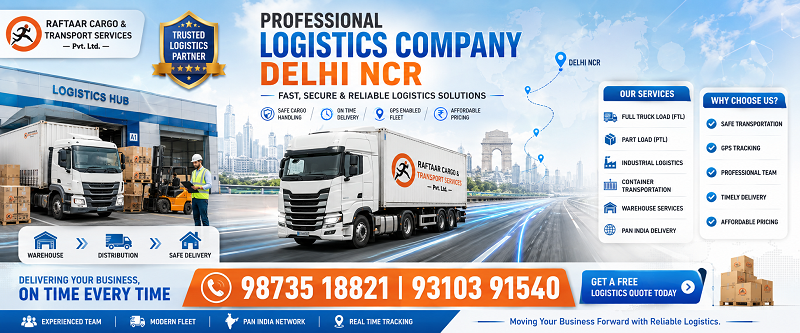
Raftaar Cargo provides transportation and logistics solutions for businesses that need organized movement of goods. The company can support customers in planning transportation according to cargo type, pickup location, destination, vehicle requirement, and delivery schedule.
Businesses can discuss their transportation requirements and select a suitable solution based on shipment volume, distance, handling needs, and delivery expectations.
India's growing manufacturing, retail, e-commerce, infrastructure, and distribution sectors are increasing the need for reliable transportation services. Businesses are also looking for better shipment visibility, efficient route planning, faster communication, and flexible logistics solutions.
Technology and organized logistics networks are expected to continue playing an important role in improving cargo transportation efficiency.
A professional Cargo Transportation Company in India provides important support to businesses that need to move goods across cities and states. From raw materials and industrial equipment to finished products, commercial goods, retail inventory, and e-commerce shipments, reliable transportation helps keep the supply chain moving.
Businesses should evaluate transportation providers based on service coverage, vehicle availability, cargo handling, communication, pricing, flexibility, and overall reliability. Proper packaging, accurate documentation, route planning, and clear delivery instructions can further contribute to a smoother transportation experience.
Raftaar Cargo offers transportation and logistics solutions for businesses looking to manage cargo movement efficiently. Whether the requirement is local transportation, intercity delivery, interstate cargo movement, warehouse transfers, or broader distribution support, selecting the right transportation solution can help businesses improve logistics coordination and maintain a dependable flow of goods.
Contact Us
17-Jul-2026
17-Jul-2026
01-Jul-2026
01-Jul-2026
09-Jun-2026
09-Jun-2026
.jpg)
28-Jan-2026

28-Jan-2026
28-Jan-2026
23-Dec-2025


.png)
.png)
.png)



.png)
.png)